
Selecting the right hydraulic duct elbow machine is a critical decision for HVAC fabrication workshops and sheet metal manufacturers. With various models available on the market, choosing equipment that matches your production needs directly affects forming quality, productivity, and long-term operating costs.
This guide outlines the key factors to consider when choosing a hydraulic duct elbow machine, helping you build a more efficient and reliable duct fabrication process.
Define Your Duct Size and Elbow Range
The first step is understanding your typical duct dimensions.
Different projects require different elbow diameters and bending angles. Before selecting a machine, clarify:
Maximum and minimum duct diameter
Common elbow angles (30°, 45°, 60°, 90°)
Whether non-standard elbows are required
Machines are usually rated by their maximum forming capacity. Choosing a model that comfortably covers your current requirements—and leaves room for future expansion—prevents production bottlenecks later.
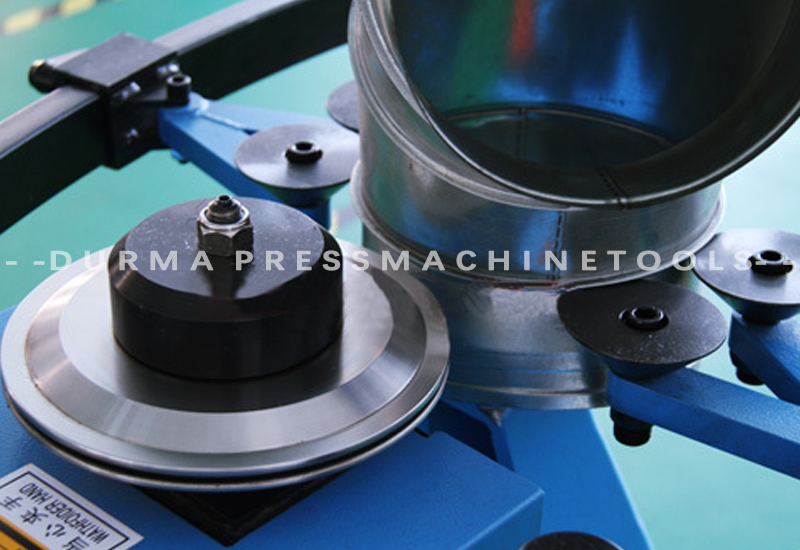
Consider Material Type and Thickness
Material characteristics play a major role in machine selection.
Most HVAC workshops process:
Galvanized steel
Stainless steel
Aluminum
Each material behaves differently during forming. Thicker sheets require higher hydraulic pressure and stronger frame structures. When reviewing machine specifications, confirm:
Maximum supported material thickness
Hydraulic pressure capacity
Compatibility with your commonly used metals
Matching machine capability to material requirements ensures consistent forming quality and reduces mechanical stress over time.
Evaluate Production Capacity and Automation Level
Production volume determines whether a basic or more automated duct elbow forming machine is suitable.
For small workshops, semi-automatic machines often provide a good balance between cost and productivity. Medium to large HVAC manufacturers may benefit from higher-speed hydraulic systems and automated feeding options.
Consider:
Daily elbow output requirements
Number of operators available
Cycle time per forming operation
Higher automation typically delivers better consistency and reduced labor dependency, especially for batch production.To better understand the forming process, you can also explore how a hydraulic duct elbow machine works in detail.
Review Key Machine Specifications
Comparing technical parameters helps narrow down the right model. Focus on:
Hydraulic pressure rating
Motor power
Forming speed
Available tooling sets
Maximum duct diameter
These duct elbow machine specifications directly affect forming accuracy and throughput. Selecting a machine with stable hydraulic performance ensures smooth bending and repeatable results.
Avoid choosing solely based on price—long-term reliability and performance matter more than initial cost.
Match the Machine to Your Workshop Layout
Physical space and infrastructure are often overlooked during equipment selection.
Before purchasing, evaluate:
Available floor space
Power supply compatibility
Operator access and material flow
A properly planned layout improves workflow efficiency and reduces handling time between forming stages. Ensuring adequate clearance around the machine also simplifies maintenance and tooling changes.
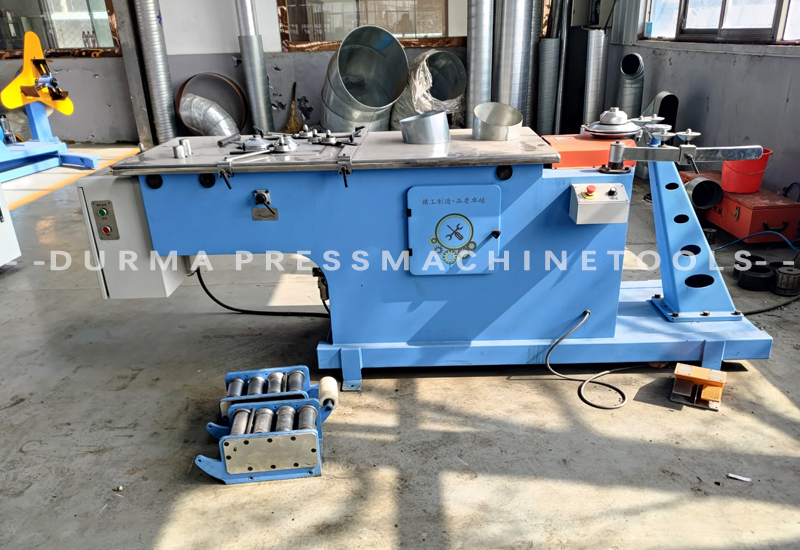
After-Sales Support and Spare Parts Availability
Reliable technical support is just as important as machine performance.
When choosing a hydraulic duct elbow machine supplier, confirm:
Installation and training services
Warranty terms
Spare parts availability
Remote or on-site technical assistance
Strong after-sales support minimizes downtime and protects your investment over the long term.
Common Mistakes When Choosing a Duct Elbow Machine
Many buyers encounter issues due to avoidable oversights:
Focusing only on purchase price
Underestimating future production growth
Ignoring material thickness requirements
Overlooking workshop space limitations
Taking a structured approach to evaluation helps avoid these pitfalls and ensures smoother operation after installation.
Conclusion
Choosing the right hydraulic duct elbow machine is not just about specifications—it’s about aligning equipment capability with your production goals, materials, and workshop environment. By carefully evaluating duct size, material thickness, production capacity, and layout constraints, manufacturers can achieve stable forming quality, higher productivity, and lower operating costs.
A well-matched machine becomes a long-term asset, supporting consistent HVAC duct fabrication and sustainable business growth.
Frequently Asked Questions
What size hydraulic duct elbow machine do I need?
The ideal size depends on your maximum duct diameter and material thickness. Always select a model that exceeds your current requirements to allow for future expansion.
Can one machine handle multiple duct diameters?
Yes. Most machines support multiple sizes through interchangeable forming dies.
How long does installation usually take?
Installation typically takes one to three days, depending on machine size and site conditions.