
Hydraulic duct elbow machines have become the backbone of modern HVAC fabrication. Unlike traditional manual methods, these machines deliver highly consistent elbows, minimize labor requirements, and improve workflow efficiency.
For example, a mid-size HVAC workshop using a DP-ELB-500 machine increased its daily elbow output by 30% while reducing operator load from three to one.
In this guide, we explore the working principles, key components, applications, specifications, and tips for selecting the right machine—so you can make informed decisions and optimize your HVAC fabrication operations.
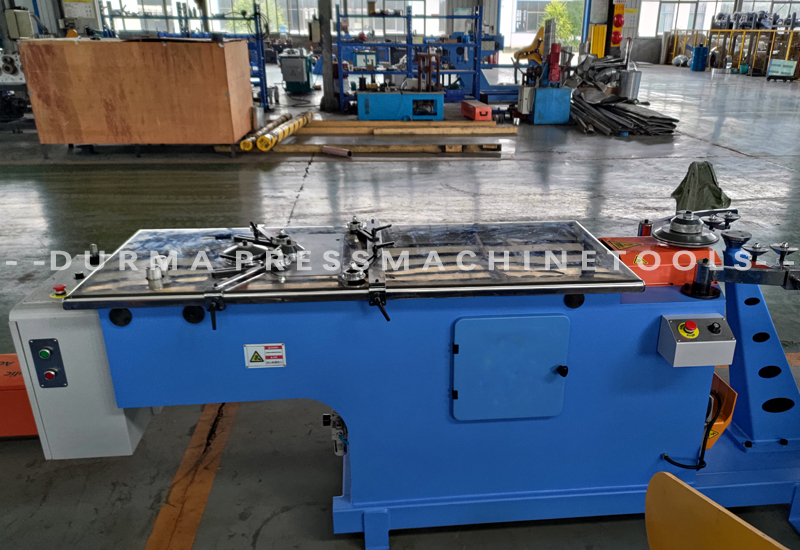
What Is a Hydraulic Duct Elbow Machine?
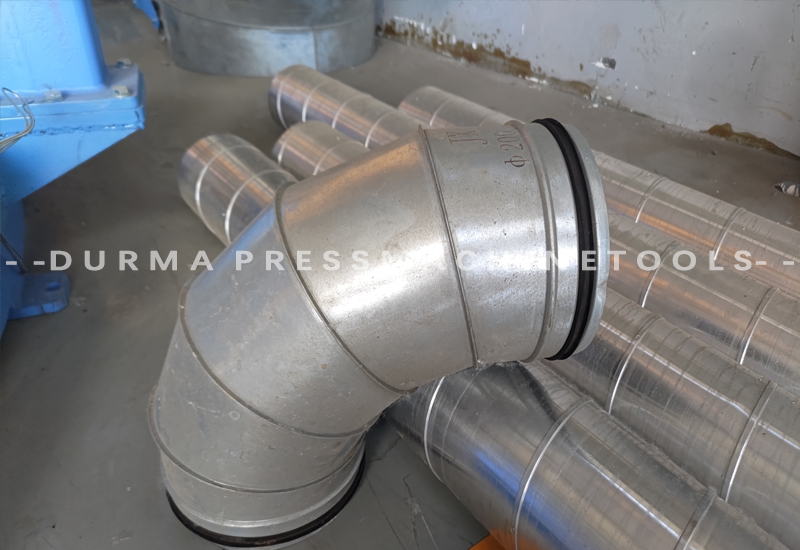
A hydraulic duct elbow machine is designed to bend sheet metal into precise round or rectangular duct elbows using controlled hydraulic pressure.
Key features include:
Adjustable dies for different angles and diameters
Hydraulic system for consistent forming pressure
Feeding and positioning units for precise alignment
PLC or foot-pedal controls for repeatable operation
Application Example:
Airports and hospitals often require high-volume, precise duct elbows to maintain airflow efficiency. Using a hydraulic elbow machine ensures each elbow meets design specifications with minimal rework.
Key Components Explained
1. Hydraulic System
Hydraulic pressure is applied gradually to bend sheet metal without causing stress cracks. Modern systems have pressure sensors and adjustable valves to maintain repeatability even with varying material thickness.
2. Forming Dies & Tooling
Dies determine the elbow shape. Interchangeable sets allow fabrication of multiple angles and diameters. High-precision dies reduce deformation and improve surface smoothness, which is critical in HVAC applications where airflow turbulence must be minimized.
3. Feeding & Positioning Unit
Accurate positioning reduces material waste and ensures consistent elbow geometry. Automated feeders can align sheets within ±0.5 mm tolerance, improving efficiency in batch production.
4. Control System
PLCs and digital controls let operators set hydraulic pressure, stroke, and cycle timing, achieving repeatable results without relying heavily on operator skill.
Tip: Use a slightly oversized die for thicker materials to reduce stress and ensure consistent forming.
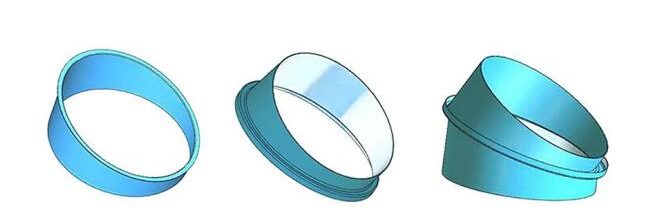
How Hydraulic Duct Elbow Machines Work (Overview)
Step-by-step workflow:
| Step | Action | Key Points |
|---|---|---|
| 1 | Sheet loading | Galvanized, stainless, aluminum sheets |
| 2 | Alignment | Accurate positioning reduces forming errors |
| 3 | Hydraulic forming | Gradual pressure bends sheet into die shape |
| 4 | Release | Remove formed elbow without deforming |
| 5 | Inspection | Check angle, diameter, and surface finish |
For a detailed workflow, see How Does a Hydraulic Duct Elbow Machine Work.
Applications and Benefits
Hydraulic duct elbow machines are ideal for:
Commercial HVAC systems
Industrial air distribution
Airports, hospitals, and factories
Benefits:
Consistent quality reduces rework
Labor efficiency allows one operator to manage multiple machines
High repeatability supports batch production
Material efficiency reduces waste
Selecting the Right Machine
Key factors:
Material thickness – Thicker sheets need higher hydraulic pressure.
Duct diameter & elbow range – Ensure dies and hydraulic capacity fit your workflow.
Production volume – Small workshops may use semi-automatic; high-volume requires full automation.
Workshop layout – Consider space, power supply, and material handling.
Learn detailed selection criteria in How to Choose the Right Hydraulic Duct Elbow Machine.
Maintenance Tips
Monitor and replace hydraulic oil regularly
Inspect dies and tooling for wear
Clean and lubricate moving parts
Perform routine safety checks
Proper maintenance ensures consistent forming quality and extends machine life, minimizing downtime and operating costs.
Common Mistakes to Avoid
Choosing equipment based solely on price
Ignoring future production growth
Selecting a machine unsuitable for material thickness
Overlooking workshop space and workflow
Conclusion
Hydraulic duct elbow machines provide precision, efficiency, and consistent quality for HVAC duct fabrication. Understanding their components, workflow, applications, and maintenance ensures long-term operational success.
A structured approach to choosing the right hydraulic duct elbow machine ensures stability, productivity, and return on investment.
FAQ
What materials can the machine process?
Galvanized steel, stainless steel, aluminum
What elbow angles are supported?
30°, 45°, 60°, 90° (depends on tooling)
How fast can one machine produce elbows?
Typically 30–60 seconds per elbow, depending on thickness and automation
Is operator training required?
Basic training is sufficient; modern controls simplify operation