Automatic or Semi-Auto Duct Line: Why This Choice Matters
For many HVAC duct manufacturers, choosing between an automatic duct line and a semi-automatic setup is not a simple technical decision—it’s a business decision.
The wrong choice can lead to:
- Underutilized equipment
- High labor costs
- Production bottlenecks
The right choice, however, can significantly improve efficiency, reduce long-term costs, and support business growth.
The key is not which one is “better,” but which one fits your current production reality.
Automatic or Semi-Auto Duct Line: Why This Choice Matters
For many HVAC duct manufacturers, choosing between an automatic duct line and a semi-automatic setup is not a simple technical decision—it’s a business decision.
The wrong choice can lead to:
- Underutilized equipment
- High labor costs
- Production bottlenecks
The right choice, however, can significantly improve efficiency, reduce long-term costs, and support business growth.
The key is not which one is “better,” but which one fits your current production reality.
Quick Answer: Which One Should You Choose?
If you’re short on time, here’s a practical guideline:
- Small workshop (low volume) → Semi-automatic duct line
- Growing factory → Semi-auto + partial automation
- Large-scale production → Fully automatic duct line
In short:
The best choice depends on your production volume, budget, and growth plan.
What’s the Difference Between Automatic and Semi-Auto Duct Lines?
Instead of focusing on technical specs, it’s more useful to look at how they perform in real production.
Automatic Duct Line
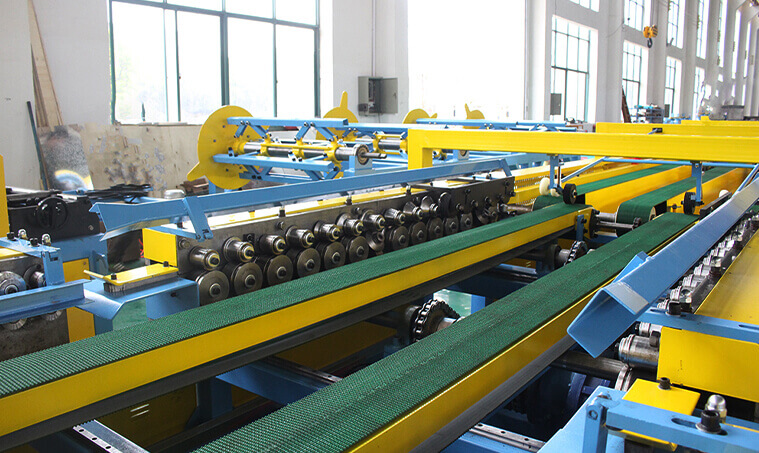
An automatic duct line integrates multiple processes such as feeding, leveling, cutting, beading, and forming into a continuous workflow.
What it feels like in practice:
- Minimal manual intervention
- Stable and consistent output
- High efficiency
Semi-Automatic Duct Line
A semi-auto setup requires operators to handle part of the process manually, with individual machines performing separate steps.
In real production:
- More flexible
- Lower upfront investment
- Higher dependence on skilled labor
Automatic vs Semi-Auto: Key Differences
| Factor | Automatic Duct Line | Semi-Auto Duct Line |
|---|---|---|
| Initial Cost | High | Low |
| Labor Need | Low | High |
| Efficiency | High | Medium |
| Flexibility | Medium | High |
| Consistency | High | Operator-dependent |
Automatic = efficiency & consistency
Semi-auto = flexibility & affordability
Cost vs ROI: Is Automation Worth It?
One of the biggest concerns is cost—but the real question is return.
How to Think About It
- Automatic lines reduce labor and increase output
- Semi-auto systems reduce upfront pressure
The key insight:
Automation only pays off when your production volume is high enough.
If your order volume is unstable, a fully automatic line may sit idle—turning a smart investment into a financial burden.
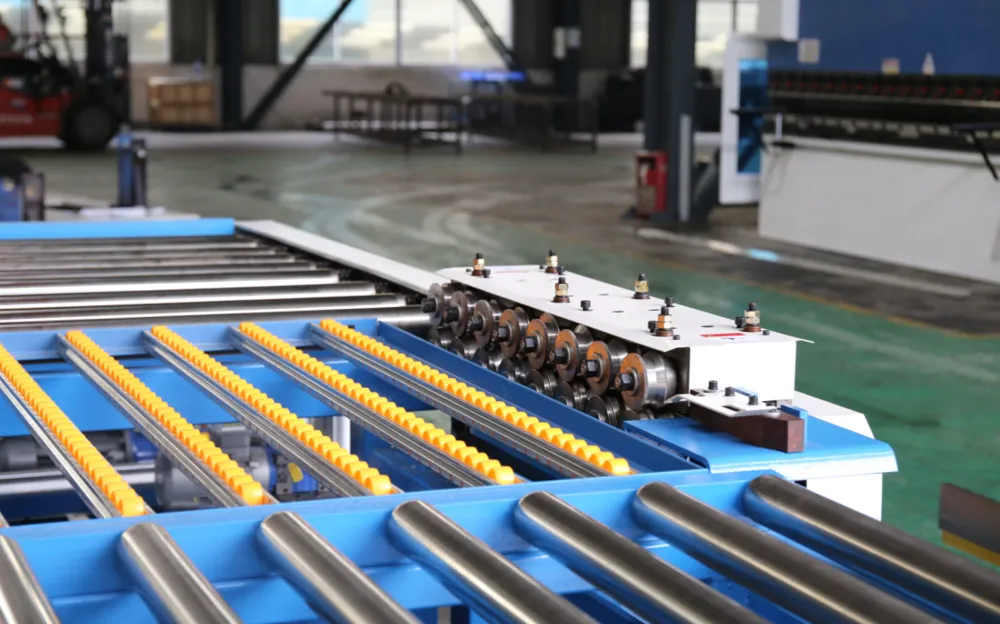
Which Duct Line Fits Your Business?
This is where most buying decisions are made.
Small Workshop
Typical situation:
- Limited budget
- Small batch orders
- Flexible production needs
Recommended: Semi-Auto Setup
Why:
- Lower investment
- More adaptable
Growing Factory
Typical situation:
- Increasing order volume
- Need for higher efficiency
Recommended: Hybrid Approach
- Semi-auto + key automation upgrades
Why:
- Balanced cost and efficiency
- Scalable setup
Large Manufacturer
Typical situation:
- High and stable production demand
- Focus on efficiency and consistency
Recommended: Fully Automatic Duct Line
Why:
- Maximum output
- Reduced labor dependency
Quick Recommendation Table
| Business Stage | Best Choice |
|---|---|
| Small workshop | Semi-auto |
| Growing factory | Hybrid |
| Large factory | Automatic |
Common Mistakes When Choosing Duct Lines
1. Over-Investing Too Early
Buying a fully automatic line without enough orders can hurt cash flow.
2. Choosing Based on Price Alone
Cheap setups often result in:
- Lower accuracy
- Higher labor costs
- More rework
3. Ignoring Future Growth
Your system should allow upgrades as your business expands.
4. Underestimating Labor Costs
Manual operations may seem cheaper—but long-term labor cost can exceed machine investment.
Many buyers focus on short-term savings and overlook long-term efficiency.
How Your Choice Affects Duct Quality
Machine selection doesn’t just affect output—it directly impacts product quality.
Seam Consistency
Automatic lines produce more uniform seams, improving airtightness.
Related: Pittsburgh seam quality plays a major role in duct performance.
Dimensional Accuracy
Better automation ensures precise cutting and forming, reducing installation issues.
Air Leakage
Poor fabrication often leads to leakage problems.
Learn more in our duct leakage guide.
In short:
Better machines = better ducts = better system performance.
Future Trends: Is Full Automation the Direction?
The HVAC industry is moving toward:
- Automation
- CNC integration
- Reduced labor dependency
However:
Not every factory needs full automation—yet.
For many businesses, a well-planned semi-auto or hybrid setup still delivers the best return.
Conclusion
Choosing between an automatic and semi-auto duct line is not about picking the most advanced option—it’s about making the right decision for your business stage.
- Small operations benefit from flexibility
- Growing factories need scalability
- Large manufacturers require efficiency
The best solution is the one that aligns with your production needs, budget, and growth strategy.
FAQ
1. What is an automatic duct line?
A fully integrated system that automates cutting, forming, and shaping processes.
2. What is a semi-auto duct line?
A setup combining manual operations with individual machines.
3. Which is better for small factories?
Semi-auto systems are usually more cost-effective.
4. Is automation worth the investment?
Yes, but only if production volume is high enough.
5. Can I upgrade from semi-auto to automatic?
Yes, many factories start semi-auto and gradually automate.