A plasma cutting table is a CNC-controlled machine that uses a high-temperature plasma arc to cut electrically conductive metals — including the galvanized steel, stainless steel, and aluminum sheet commonly used in HVAC ductwork. Unlike manual hand torches, a mechanized plasma table moves the torch automatically along programmed paths, delivering consistent cut quality at speeds that manual methods cannot match.
1.How Does a Plasma Cutting Table Work?
Plasma cutting works by sending an electrical arc through a gas — typically compressed air — to create plasma, a superheated state of matter that can reach temperatures exceeding 20,000°C. This plasma jet melts through the metal while a high-velocity gas stream blows the molten material away from the cut.
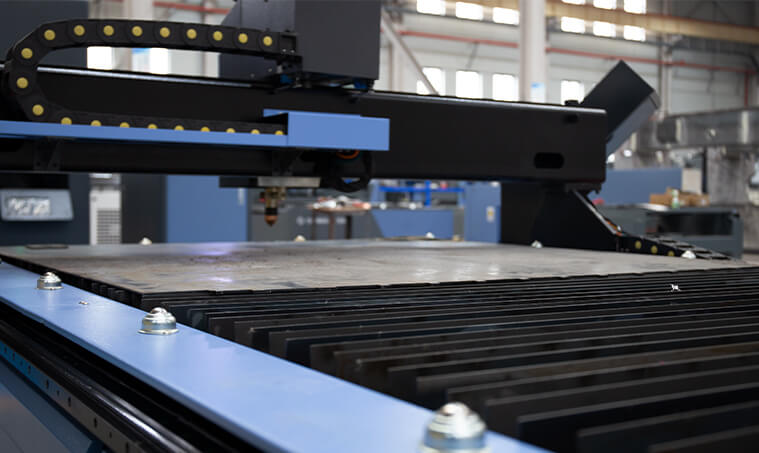
In a mechanized system, a CNC controller translates CAD-designed part files into precise movement commands. The gantry frame carries the torch across the cutting table, following the programmed contour with high repeatability. Most HVAC plasma tables use a dual-drive rack-and-pinion gantry to maintain accuracy and velocity even on thin-gauge materials.
2.Key Components of a Mechanized HVAC Plasma Cutting System
Understanding the components of a plasma cutting table helps HVAC fabricators evaluate systems and troubleshoot performance. A complete system typically includes:
2.1 CNC Controller
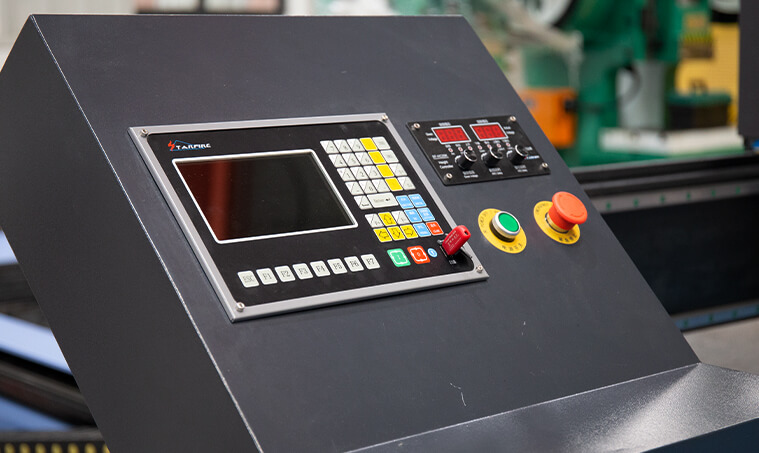
The CNC is the brain of the system. It receives part programs — usually generated from HVAC ductwork design software — and converts them into motion commands for the cutting head. Modern PC-based CNC controllers offer graphical interfaces, large part libraries, and faster processing speeds than earlier microcontroller-based systems.
2.2 HVAC Ductwork Software
Specialized software converts 3D ductwork drawings from building blueprints into 2D cut profiles. The CNC reads these profiles and guides the torch along each shape. Many systems also integrate inkjet marking to label cut parts for shop assembly and on-site installation.
2.3 Gantry Frame
A rigid rack-and-pinion gantry provides the structural accuracy required for high-speed cutting. Low-profile designs make sheet loading and unloading straightforward, and shuttle table configurations keep the machine running continuously while finished parts are cleared from one side.
2.4 Downdraft Air Table
All mechanized HVAC plasma systems use a downdraft table to capture smoke and metal particulate at the source. Negative air pressure draws fumes downward through the table into a filtration unit, protecting operators and maintaining air quality in the fabrication shop.
2.5 Torch Height Control (THC)
For thin-gauge sheet metal, a mechanical plate follower — a spring-loaded shroud with ball casters — rolls directly on the material surface to maintain a constant torch standoff. When cutting thicker plate for light fabrication tasks, automatic voltage-regulated THC takes over, adjusting torch height dynamically throughout the cut.
2.6 PAC Power Supply and Torch
The plasma arc cutting (PAC) power supply generates and controls the electrical arc. Modern boost inverter power supplies are more efficient and tolerant of input voltage variations than older reactor-based designs. The torch itself contains an electrode, swirl ring, nozzle, and shield — consumable parts that determine cut quality and operating cost over time.
3.Why HVAC Fabricators Use Plasma Cutting Tables
Speed on thin-gauge material. Plasma cuts light-gauge galvanized steel — the dominant material in duct fabrication — at several hundred inches per minute. This is far faster than laser alternatives on thicker material and significantly more productive than manual methods on any gauge.
Material versatility. A single plasma table handles galvanized steel, stainless steel, and aluminum across the full range of gauges used in HVAC work — and can also cut thicker mild steel for brackets, flanges, and light structural components.
Lower capital and operating cost versus laser. Plasma systems require less initial investment than fiber laser cutting machines of comparable capacity, and consumable costs per cut are predictable and manageable. For shops focused primarily on ductwork, this makes plasma the practical choice.
Integration with ductwork software. Purpose-built HVAC software connects directly to the CNC, allowing operators to import duct layouts from building plans and begin cutting with minimal manual programming. Inkjet part labeling further reduces assembly errors downstream.
4.Plasma vs. Laser: Which Is Right for HVAC Duct Cutting?
Both plasma and fiber laser are used in modern HVAC shops, but they serve different profiles. Plasma excels on the 22- to 16-gauge galvanized steel that makes up the bulk of ductwork. It is fast, cost-effective, and tolerant of material variations like zinc coating. Laser cutting offers higher edge quality and tighter tolerances on thinner material, but the machine cost and operating requirements are considerably higher.
For shops whose primary output is standard ductwork, plasma remains the dominant technology. Fabricators producing a high volume of precision fittings, or those cutting significant quantities of material thinner than 20 gauge, may find laser cutting worth the added investment.
5.What to Look for When Choosing a Plasma Cutting Table for HVAC
When evaluating plasma cutting tables for ductwork production, consider the following:
Cutting capacity. Confirm the system can handle your full material range — typically 24 gauge through 10 gauge for HVAC, plus 1/4-inch mild steel for accessories.
CNC and software compatibility. PC-based controls with dedicated HVAC ductwork software significantly reduce programming time. Check whether the system supports import from the drawing software your shop already uses.
Consumable life and availability. Torch consumables — electrode, nozzle, and shield — are an ongoing cost. Ask suppliers about expected parts life per set and lead times for replacement parts.
Downdraft extraction. Adequate fume and particulate extraction is not optional in a production environment. Verify filtration capacity against your planned cutting volume.
After-sales support. Mechanized plasma systems require periodic maintenance and occasional torch replacement. Local or responsive technical support reduces downtime.
6.Plasma Cutting Tables in HVAC: A Proven Technology
Mechanized plasma cutting for HVAC has been in production use since the early 1980s. Over four decades, the core technology has remained consistent while every component — power supplies, CNC controls, torch design, and cutting software — has undergone continuous improvement. Today’s systems cut faster, hold tighter tolerances, and run with longer consumable life than any previous generation.
For HVAC fabricators evaluating their cutting equipment, a CNC plasma table remains one of the most cost-effective investments available — whether upgrading from manual methods or replacing an aging machine.
7.Conclusion
A CNC plasma cutting table remains the most practical solution for HVAC duct fabrication — delivering fast, reliable, and cost-effective sheet metal cutting for everyday production.
Looking to upgrade your duct fabrication line? Contact us today to get expert advice and the right plasma cutting solution for your business.