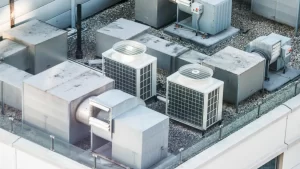

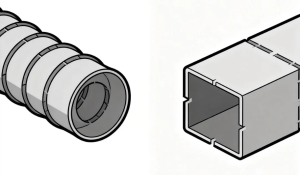
The corner code assembly machine serves as the backbone of modern duct manufacturing, creating airtight joints critical for TDF, TDC, and angle flange systems. This comprehensive guide analyzes pneumatic versus electric systems across speed, precision, cost, maintenance, and integration—equipping you to select the optimal solution for your production line’s unique demands.
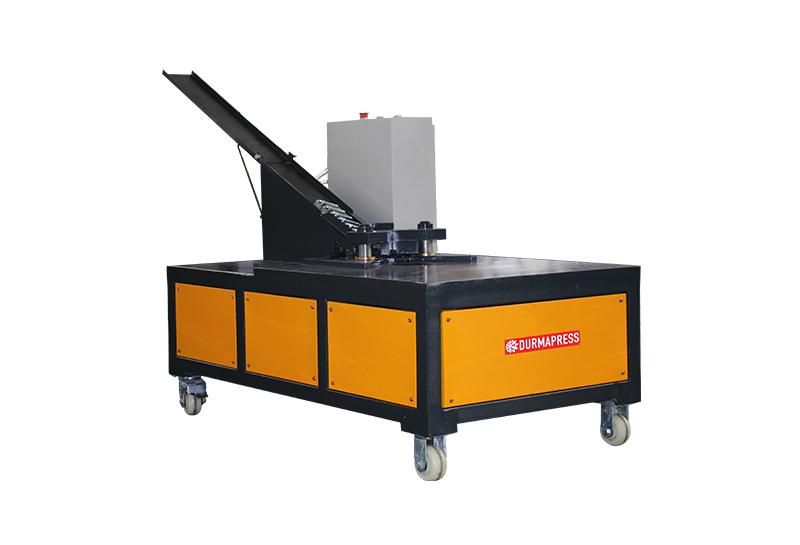
What Is a Corner Code Assembly Machine?
Corner code assembly machines automate the precise insertion and clinching of metal reinforcement corners into duct frames, positioned after panel forming and before seam sealing. This step ensures flange alignment within tight tolerances, preventing air leakage that compromises HVAC system efficiency.
These machines handle standard configurations like S-cleats, C-cleats, and right-angle corners across duct sizes from 4″ x 12″ to 60″ x 120″. Advanced models feature auto-adjusting clamps and sensors that detect corner placement errors in real-time, reducing scrap rates by up to 30% compared to manual assembly.
Pneumatic Corner Code Assembly Machines
Pneumatic systems harness compressed air (typically 90-120 PSI) to drive pneumatic cylinders for rapid corner insertion and clinching.
Core Advantages:
High throughput: 15 corners per minute supports 500+ linear feet of duct per hour
Lower upfront investment compared to electric systems
Rugged reliability: Proven in dusty, 24/7 factory environments with minimal electronics
Quick maintenance: Standard fittings and seals replaceable in under 15 minutes
Technical Limitations:
Pressure sensitivity: Fluctuations cause ±0.5mm inconsistency, affecting larger ducts
Noise and energy: 85 dB operation plus continuous compressor runtime (15-20 HP required)
Fixed cycles: Limited adjustability for varying duct thicknesses or custom corners
Ideal Applications: High-volume production of standardized rectangular ducts where cycle speed outweighs precision needs.
Electric Corner Code Assembly Machines
Electric systems employ servo motors and ball screws for closed-loop position control, enabling programmable force and speed profiles.
Core Advantages:
Precision engineering: ±0.1mm repeatability ensures leak-free joints even on thin-gauge metal
Energy efficiency: 60% lower operating costs—no air compressor or treatment system needed
Quiet performance: 65 dB operation improves worker comfort and meets OSHA standards
Smart connectivity: PLC integration supports recipe storage, error logging, and Industry 4.0 data protocols
Technical Limitations:
Higher initial investment reflecting advanced servo drives and controls
Service complexity: Requires certified electricians for motor or controller diagnostics
Slower peak speed: 12 corners/minute prioritizes consistency over raw velocity
Ideal Applications: Automated lines producing custom HVAC assemblies or serving premium markets demanding certified airtight performance.
Pneumatic vs Electric: Detailed Comparison
| Feature | Pneumatic | Electric | Winner |
|---|---|---|---|
| Cycle Speed | 15 corners/min | 12 corners/min (consistent) | Pneumatic |
| Position Accuracy | ±0.5mm | ±0.1mm | Electric |
| Energy Consumption | 15-20 HP compressor | Standard 3-phase power | Electric |
| Noise Level | 85 dB | 65 dB | Electric |
| Upfront Investment | Lower | Higher | Pneumatic |
| Annual Operating Cost | Higher (air/energy) | Lower (electricity) | Electric |
| ROI Timeline | Immediate throughput | 18-24 months | Depends on volume |
| Maintenance | Simple air fittings | Technical servo service | Pneumatic |
| Integration | Basic | Full PLC/Industry 4.0 | Electric |
Pneumatic excels in raw speed for basic production; electric dominates long-term efficiency and quality control.
Factors for Choosing Your Corner Code Assembly Machine
Production Volume: Under 50,000 linear feet/month? Pneumatic maximizes ROI. Above that threshold, electric’s consistency reduces rework costs.
Material Range: Working with 20-18 gauge steel or custom profiles? Electric servo control prevents damage from over-clinching.
Facility Infrastructure: Existing compressor capacity favors pneumatic; limited air treatment pushes toward electric.
Future-Proofing: Industry trends toward servo automation and data-driven manufacturing make electric systems more scalable.
Hybrid Strategy: Many operations deploy pneumatic for secondary lines while installing electric on primary high-value production.
Implementation and ROI Case Study
A Midwest fabricator upgraded from manual to pneumatic corner code assembly, achieving 300% throughput increase within 3 months. Two years later, adding electric machines on custom lines cut energy bills by 55% and eliminated 95% of joint failures during pressure testing.
Key Takeaways
Pneumatic wins for speed and simplicity in high-volume, standardized production
Electric leads in precision, efficiency, and automation readiness
Hybrid approach often delivers optimal flexibility as operations scale
Evaluate total cost of ownership over 3-5 years, not just initial price
FAQ:Corner Code Assembly Machines
- What duct sizes do corner code assembly machines support?
Standard models handle 4″ x 12″ to 60″ x 120″ ducts. Custom heavy-duty versions accommodate larger industrial sizes. - How much air pressure is needed for pneumatic systems?
90-120 PSI clean, dry air with 15-20 HP compressor capacity for continuous operation. - 3. Can electric machines integrate with existing PLC controls?
Yes, most electric systems support Modbus, Ethernet/IP, and Profibus for seamless line integration. - What’s the maintenance difference between pneumatic and electric?
Pneumatic: Weekly air filter checks, quarterly seal replacements. Electric: Annual servo calibration, motor inspections.