Duct insulation plays a critical role in HVAC system efficiency, energy savings, and moisture control. Whether in residential attics or large commercial buildings, properly insulated ductwork helps prevent heat loss, reduce condensation, and maintain consistent indoor temperatures.
Without proper duct insulation, conditioned air can lose significant energy before reaching its destination. In unconditioned spaces such as attics, crawl spaces, or rooftops, this loss becomes even more severe.
In this guide, we’ll explain the different duct insulation types, break down duct insulation R-value ratings, and help you choose the right solution for your HVAC ductwork.
Why Duct Insulation Is Important in HVAC Systems
1. Prevents Energy Loss
When metal ductwork runs through unconditioned areas, temperature differences cause heat transfer. Insulating HVAC ducts reduces this thermal exchange, improving overall system efficiency and lowering utility costs.Most HVAC ducts are fabricated from galvanized sheet metal, which can easily lose or gain heat without proper insulation.
2. Prevents Condensation
Cold supply ducts in humid environments often develop condensation. Over time, this can lead to:
Mold growth
Water damage
Rust on galvanized sheet metal
Reduced insulation performance
Proper duct insulation helps prevent duct condensation by maintaining surface temperatures above dew point.
3. Improves Comfort & Noise Control
Insulated ductwork reduces temperature fluctuations and also helps absorb mechanical and airflow noise.
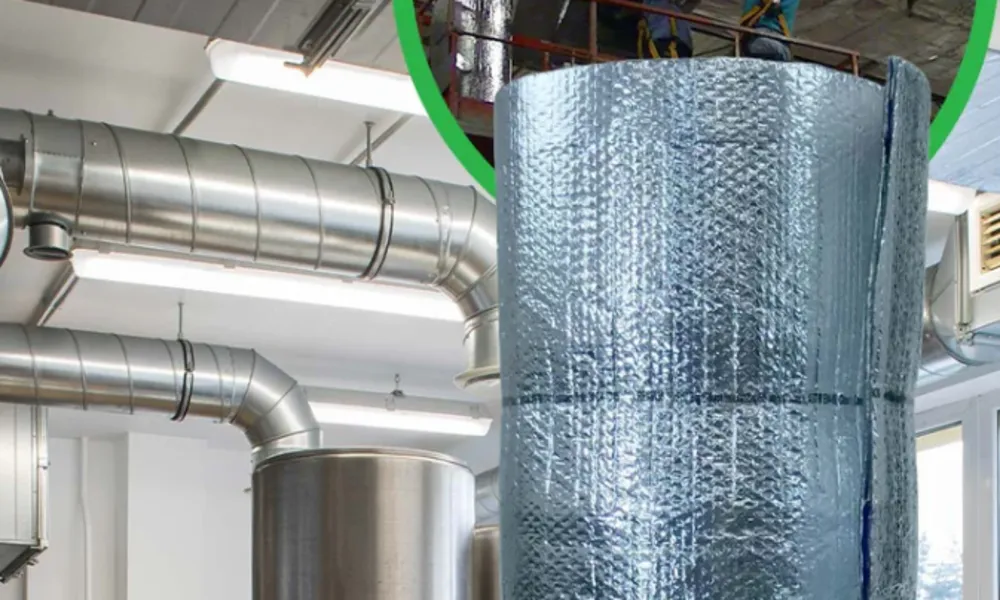
Duct Insulation Types Explained
There are three primary types of insulation for ductwork.
1. Fiberglass Duct Insulation
Fiberglass duct insulation is the most commonly used solution in residential and commercial HVAC systems.
It is available in:
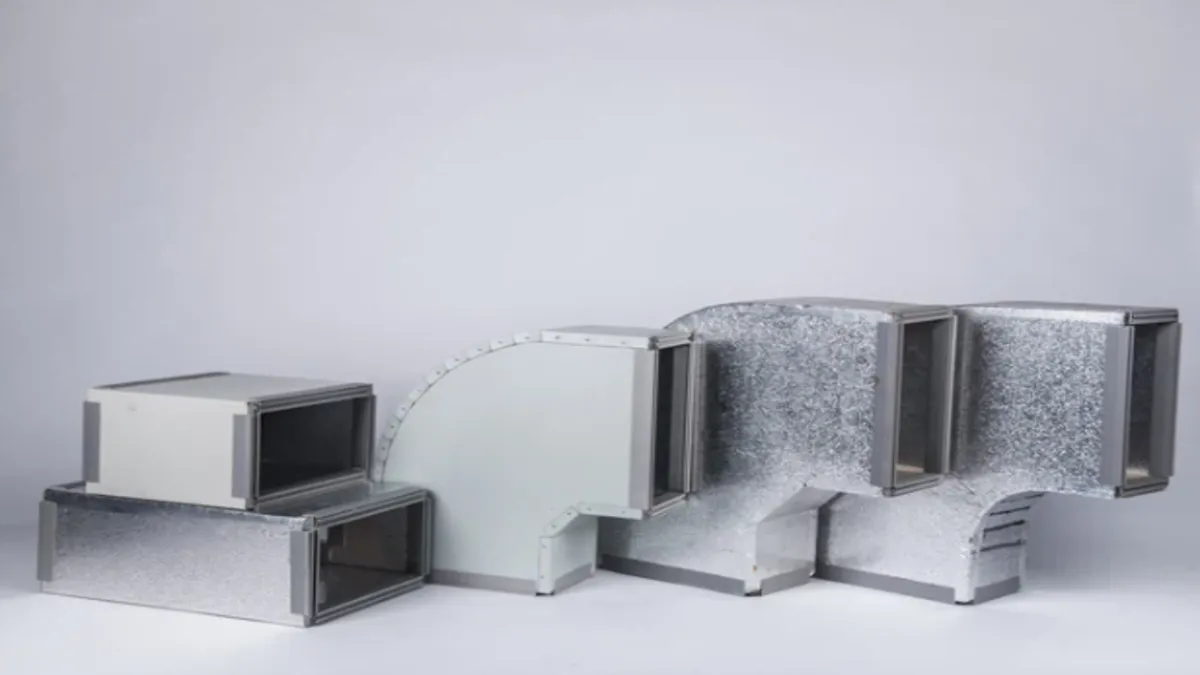
Duct wrap (with foil vapor barrier)
Rigid insulation boards
Internal duct liner
Advantages:
Cost-effective
Widely available
Good thermal performance
Fire-resistant
Typical R-Value Range: R-4 to R-8
Fiberglass duct insulation is ideal for attic duct insulation and general HVAC applications.
2. Foam Duct Insulation (Closed-Cell / Elastomeric)
Foam duct insulation, such as closed-cell elastomeric insulation, provides excellent moisture resistance.
Advantages:
Superior vapor barrier
Flexible and easy to install
Excellent condensation control
Long service life
Best for:
High-humidity climates
Chilled water lines
Commercial HVAC systems
Foam insulation is commonly used when condensation control is a top priority.
3. Duct Insulation Wrap
Duct insulation wrap is typically fiberglass insulation with a reinforced foil facing.
It is the most common method for insulating exposed ductwork.
Common ratings include:
R-6 duct insulation
R-8 duct insulation
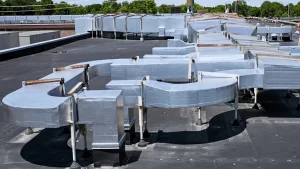
Duct insulation wrap is widely used in attics and rooftop installations where higher R-values are required.
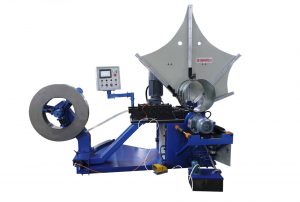
The effectiveness of insulation also depends on the type of duct system being used, such as spiral ductwork or rectangular duct systems.
Understanding Duct Insulation R-Value
The R-value measures thermal resistance. The higher the R-value, the better the insulation resists heat transfer.
Recommended Duct Insulation R-Values
| Installation Location | Recommended R-Value |
|---|---|
| Conditioned space | R-4 |
| Basement | R-6 |
| Attic | R-8 |
| Rooftop | R-8 or higher |
Local energy codes such as IECC often require R-8 for attic duct insulation.
R6 vs R8 Duct Insulation
| Feature | R-6 | R-8 |
|---|---|---|
| Thickness | ~1.5 in | ~2 in |
| Cost | Lower | Higher |
| Energy Efficiency | Moderate | High |
| Best For | Mild climates | Hot/cold climates |
If ducts are installed in extremely hot or cold environments, R-8 insulation provides better long-term savings.
Duct Insulation Thickness Guide
| R-Value | Approximate Thickness |
|---|---|
| R-4 | 1 inch |
| R-6 | 1.5 inches |
| R-8 | 2 inches |
Thicker insulation increases performance but also requires proper support and sealing.
How to Choose the Right Insulation for Your Ductwork
Choosing the right duct insulation depends on several factors.
1. Installation Location
Attics and rooftops require higher R-values due to extreme temperatures.
2. Humidity Level
High humidity environments require vapor-resistant materials such as closed-cell foam.
3. Budget
Fiberglass duct wrap offers a cost-effective solution. Foam insulation typically costs more but provides superior moisture protection.
4. Building Code Requirements
Always check local energy codes before selecting insulation.
5. Type of Duct Material
Galvanized sheet metal ductwork conducts heat easily and benefits greatly from proper insulation.If your duct system is exposed outdoors or installed in humid environments, material selection also matters. You may consider reading our comparison of galvalume vs galvanized steel before finalizing your specification.
Common Mistakes in Duct Insulation Installation
Improper installation can reduce effectiveness.
Common mistakes include:
Compressing insulation (reduces R-value)
Failing to seal seams
Damaging vapor barriers
Using insufficient thickness
Ignoring condensation risk
Learning how to insulate HVAC ductwork properly ensures long-term performance.
Duct Insulation vs Duct Liner
Many people confuse duct insulation with duct liner.
| Feature | Duct Insulation | Duct Liner |
|---|---|---|
| Installed | Outside duct | Inside duct |
| Purpose | Thermal control | Acoustic + thermal |
| Moisture Control | Yes | Limited |
| Maintenance | Easier | More difficult |
Duct liner is typically used in commercial systems for noise reduction, while external insulation is more common for energy efficiency.
Cost of Duct Insulation
Costs vary based on material and R-value.
Estimated material cost per square foot:
Fiberglass wrap: $0.50 – $1.50
Foam insulation: $1.50 – $3.00
Labor installation: $2 – $5 per sq ft
While higher R-values increase upfront cost, energy savings typically offset the investment over time.
Final Thoughts
Duct insulation is one of the most important components of an efficient HVAC system. By selecting the right insulation type and R-value, you can reduce energy loss, prevent condensation, and improve overall indoor comfort.
Whether you’re working with galvanized sheet metal ductwork in an attic or installing a commercial rooftop system, proper insulation ensures long-term performance and code compliance.
Investing in the right duct insulation solution today will deliver energy savings and durability for years to come.
Frequently Asked Questions
What is the best duct insulation?
The best duct insulation depends on location and climate. Fiberglass duct wrap (R-6 or R-8) is common for attics, while closed-cell foam is best for high-humidity environments.
What R-value do I need for attic duct insulation?
Most energy codes recommend R-8 duct insulation for attic installations.
Does duct insulation prevent condensation?
Yes. Properly installed duct insulation prevents duct condensation by keeping the surface temperature above the dew point and providing a vapor barrier.
Can I install duct insulation myself?
Homeowners can install duct insulation wrap, but proper sealing and vapor barrier protection are critical for performance.
How long does duct insulation last?
Fiberglass duct insulation typically lasts 10–20 years, while foam insulation may last longer if protected from UV exposure and mechanical damage.