
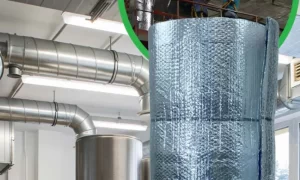
Proper duct insulation wrap plays a critical role in HVAC system efficiency, condensation control, and long-term durability. Whether you are installing new ductwork or upgrading an existing system, choosing the right insulation wrap can significantly reduce energy loss and prevent moisture-related damage.
This guide explains how duct insulation wrap works, compares R-6 and R-8 options, outlines installation steps, and helps you select the right solution for residential or commercial HVAC systems.
What Is Duct Insulation Wrap?
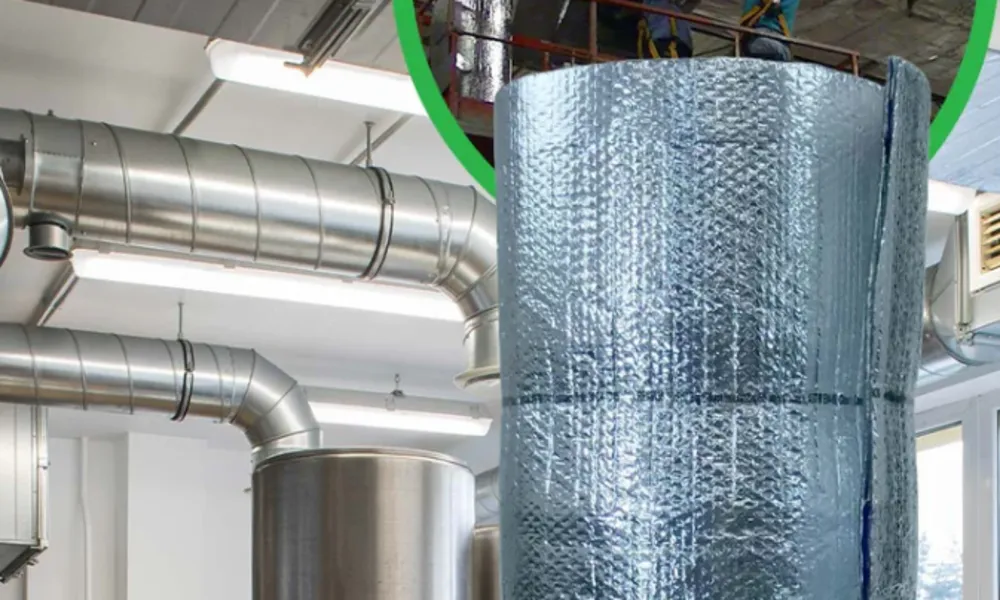
Duct insulation wrap is a flexible insulation material, typically made of fiberglass with a foil-faced vapor barrier, designed to wrap around HVAC ductwork.
It is commonly used on:
Supply air ducts
Return air ducts
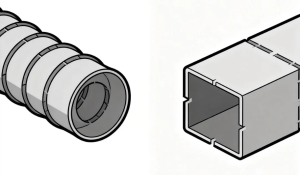
Metal spiral ductwork
Rectangular galvanized ducts
Compared to rigid insulation boards, HVAC insulation wrap is easier to install and ideal for retrofits or irregular duct shapes.
If you need a broader overview of insulation types, see our guide on duct insulation types and R-value selection.
Duct Wrap vs Fiberglass Board
Both wrap and board insulation are widely used, but they serve slightly different purposes.
| Feature | Duct Insulation Wrap | Fiberglass Board |
|---|---|---|
| Flexibility | High | Low |
| Best for | Existing ducts, tight spaces | New construction |
| Installation speed | Faster | Slower |
| Cost | Lower | Moderate |
| Surface finish | Foil-faced | Fabric or foil |
Wrap insulation is typically preferred for metal ducts such as those made from galvanized sheet metal, especially in exposed ceiling or rooftop applications.
R-6 vs R-8: What’s the Difference?
The R-value measures thermal resistance. Higher R-values provide better insulation performance.
R-6 Duct Insulation
Common for residential systems
Suitable for mild climates
Lower material cost
R-8 Duct Insulation
Required in colder climates
Better energy efficiency
Reduces heat gain/loss significantly
In commercial buildings or systems with long duct runs, R-8 insulation often delivers better long-term energy savings.
Proper duct sizing and airflow design (see our HVAC air distribution system guide) should also be considered when selecting insulation thickness.
Vapor Barrier & Condensation Control
One of the most important functions of duct insulation wrap is preventing condensation.
Condensation occurs when:
Cold air flows through ducts
Humid ambient air contacts the duct surface
Surface temperature drops below dew point
Foil-faced duct wrap includes a built-in vapor barrier that prevents moisture from penetrating the insulation.
If the vapor barrier is damaged or poorly sealed, condensation can lead to:
Mold growth
Rust on galvanized steel ducts
Insulation failure
This is especially critical in humid climates or rooftop installations.

Installation Process: Step-by-Step
Proper installation is essential for performance.
Step 1: Clean the Duct Surface
Remove dust, oil, or moisture before applying insulation.
Step 2: Measure and Cut
Cut insulation wrap to match duct dimensions, allowing slight overlap.
Step 3: Wrap Tightly
Ensure full contact with the duct surface without compressing the insulation.
Step 4: Seal All Seams
Use foil tape or vapor-barrier-approved adhesive to seal seams and joints completely.
Step 5: Secure with Bands
Use mechanical fasteners or insulation pins if required by code.
Improper sealing is one of the most common installation mistakes in HVAC duct installation.
Common Mistakes to Avoid
Leaving gaps at seams
Compressing insulation (reduces R-value)
Failing to seal vapor barrier
Using indoor-rated wrap for outdoor ducts
These mistakes can reduce insulation performance by 20–40%.
Cost Comparison
Costs vary depending on thickness and region, but typical estimates are:
R-6 duct insulation wrap: lower upfront cost
R-8 duct insulation wrap: higher material cost but better energy savings
Commercial projects with large duct systems often benefit from higher R-values due to long-term energy reduction.
Energy savings from proper insulation can offset installation costs within a few years.
How to Choose the Right Duct Insulation Wrap
Choose based on:
Climate
Building type (residential vs commercial)
Duct location (attic, rooftop, conditioned space)
Energy efficiency goals
Local building codes
For rooftop or exposed systems, pairing R-8 insulation wrap with corrosion-resistant ducts such as galvanized or galvalume steel improves durability.
FAQ Section
1. What R-value is recommended for duct insulation wrap?
R-6 is common for residential systems in moderate climates. R-8 is recommended for colder climates or commercial HVAC systems.
2. Can duct insulation wrap prevent condensation?
Yes. When properly installed with a sealed vapor barrier, insulation wrap prevents surface condensation on HVAC ducts.
3. Is duct wrap better than insulation board?
Wrap is more flexible and easier to install, especially for retrofit projects. Board insulation is often used in new construction.
4. How long does duct insulation wrap last?
With proper installation and intact vapor barrier protection, it can last 20 years or more.