


Spiral ductwork is widely used in modern HVAC systems due to its strength, airtight performance, and clean appearance. Compared to traditional rectangular ducts, spiral ducts offer faster installation and improved airflow efficiency.
In this guide, we’ll explain what spiral ductwork is, how it compares to rectangular duct systems, installation steps, cost considerations, and how to choose the right specification for your project.
What Is Spiral Ductwork?
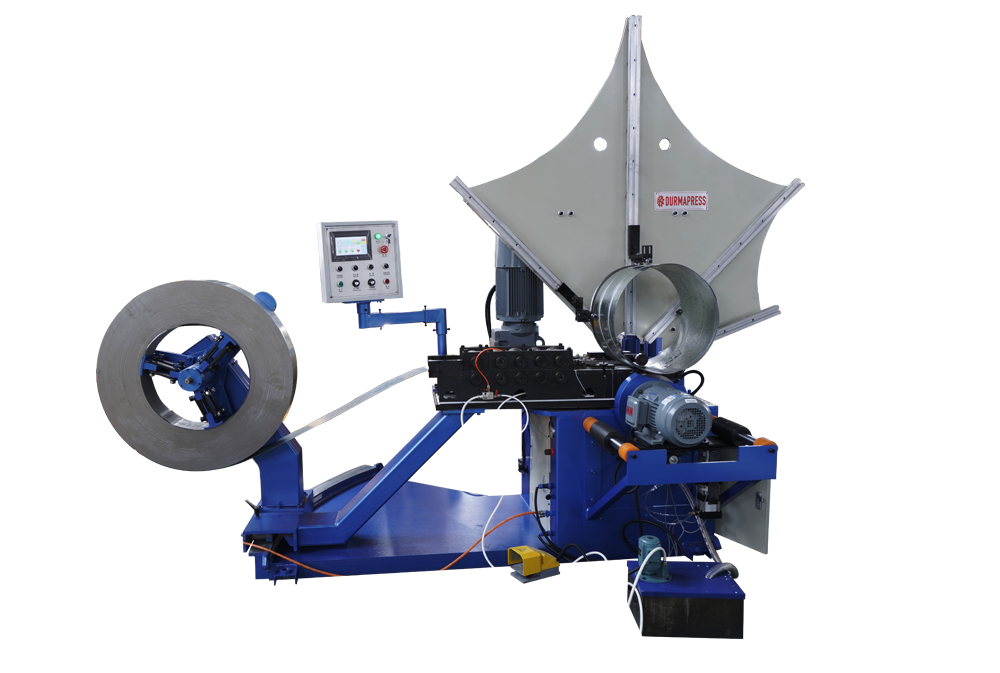
Spiral ductwork is a round air distribution system manufactured by spirally winding galvanized steel into a continuous cylindrical shape with a locking seam.
Most spiral ducts are made from galvanized sheet metal, which provides corrosion resistance and structural durability. In more demanding environments, materials such as aluminum or stainless steel may also be used.
The spiral seam reinforces the duct wall, allowing thinner gauges to maintain rigidity compared to flat rectangular duct sections.
Spiral duct systems are commonly used in:
Commercial buildings
Warehouses
Retail stores
Industrial facilities
Exposed ceiling designs
Advantages of Spiral Ductwork
1. Better Air Tightness
The continuous spiral seam reduces the number of transverse joints. Fewer joints mean fewer leakage points, improving overall system efficiency.
Lower air leakage translates into:
Improved airflow performance
Reduced energy loss
Better pressure stability
2. Higher Structural Strength
The round shape distributes air pressure evenly. This structural advantage allows spiral ducts to resist deformation better than rectangular ducts of the same thickness.
As a result, spiral ductwork often requires less reinforcement.
3. Faster Installation
Spiral ducts are typically manufactured in longer sections, reducing the number of connections required during installation.
This leads to:
Faster on-site assembly
Lower labor costs
Simplified alignment
For a step-by-step overview of duct installation practices, see our HVAC duct installation guide.
4. Modern Aesthetic Appearance
Spiral ductwork is commonly used in exposed ceiling designs. Its clean, industrial appearance makes it popular in:
Offices
Restaurants
Gyms
Commercial showrooms
Spiral Ductwork vs Rectangular Duct
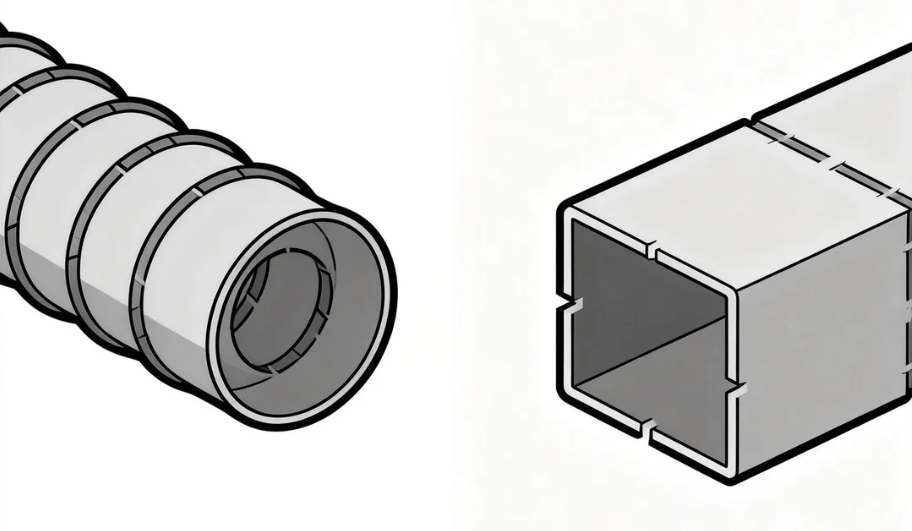
One of the most common questions is whether spiral ductwork is better than rectangular duct systems.
Here’s a comparison:
| Feature | Spiral Duct | Rectangular Duct |
|---|---|---|
| Air Leakage | Lower | Higher |
| Installation Speed | Faster | Slower |
| Structural Strength | High | Moderate |
| Space Efficiency | Needs more height | Fits tight ceilings |
| Appearance | Modern | Traditional |
Rectangular ducts are often preferred in low-ceiling spaces, while spiral ductwork is ideal for open commercial layouts.
Spiral Duct Installation Process
Proper installation ensures optimal performance and durability.
1. System Layout Planning
Determine airflow requirements and duct diameter.
2. Hanger Installation
Install supports based on spacing standards and duct size.
3. Section Connection
Connect duct sections using couplings or flanges.
4. Sealing Joints
Apply sealant or gaskets to minimize air leakage.
5. Insulation (If Required)
In conditioned or humid spaces, external insulation may be necessary.
Learn more about insulation types and R-values in our
Duct Insulation Guide.
Cost of Spiral Ductwork
The cost of spiral ductwork depends on several factors:
Steel gauge thickness
Coating type (G60 vs G90)
Duct diameter
Fittings and accessories
Installation complexity
Insulation requirements
Material choice also affects cost. For example, understanding the difference between galvalume vs galvanized steel can help determine the most cost-effective option.
In general, spiral ductwork may have slightly higher material costs than rectangular duct, but lower installation labor can balance overall expenses.
How to Choose the Right Spiral Duct
Selecting the correct spiral ductwork depends on:
Airflow Requirements
Duct diameter should be calculated based on CFM and static pressure.
Gauge Selection
Higher pressure systems require thicker gauge steel.
Environmental Conditions
Indoor systems typically use galvanized steel, while humid or semi-exposed environments may require heavier coatings.
Insulation Needs
Proper insulation improves energy efficiency and prevents condensation.
If you’re sourcing materials, high-quality galvanized steel coils or flat sheets ensure consistent fabrication results.
Conclusion
Spiral ductwork offers excellent airtight performance, structural strength, and installation efficiency. It is widely used in commercial HVAC systems and modern exposed ceiling designs.
While rectangular duct systems still serve specific space constraints, spiral ductwork remains a preferred solution for many contractors due to its balance of performance and installation speed.
Selecting the right material, gauge, and insulation ensures long-term system reliability and energy efficiency.
FAQ
1. Is spiral duct better than rectangular duct?
Spiral duct offers better airtightness and faster installation. Rectangular duct is better for tight ceiling spaces.
2. How much does spiral ductwork cost?
Cost depends on diameter, gauge, material, and installation complexity. Labor savings often offset slightly higher material costs.
3. What material is spiral ductwork made from?
Most spiral ducts are made from galvanized steel, though aluminum and stainless steel are available for specialized environments.
4. Does spiral ductwork need insulation?
Yes, especially in conditioned or humid spaces. Insulation reduces heat loss and prevents condensation.