Introduction: Why Spiral Duct Problems Matter
Spiral duct systems are popular in commercial, industrial and exposed ceiling designs because they are durable, space‑efficient and visually clean. However, when seams loosen or ducts start to vibrate, the system can become noisy, inefficient and expensive to run. The good news is that most of these problems can be diagnosed and corrected with a structured troubleshooting process and some basic best practices.
This guide walks through the most common spiral duct issues related to seams, leaks and vibration, and shows how to fix them safely and effectively. It is written for building owners, facility managers and contractors who want practical, field‑tested steps rather than vague theory.

Common Symptoms of Spiral Duct Issues
Before jumping into fixes, it helps to recognize the most frequent warning signs that something is wrong with spiral ductwork.
- Noticeable airflow loss or uneven temperatures between rooms.
- Hissing sounds around joints that suggest air leaks.
- Rattling, buzzing or humming noises when the HVAC system ramps up.
- Visible gaps at seams or joints, or tape and sealant peeling away.
When these symptoms appear together, they almost always point to loose seams, leaking joints or poorly supported duct runs that are transmitting vibration through the structure.
Why Seams and Joints Fail
Loose seams and joints are among the most common spiral duct issues, and they often develop slowly over time. Understanding why they fail makes it easier to choose the right repair method instead of just adding more tape.
Key causes include:
Improper installation
When spiral duct connections are not fully seated, fasteners are under‑torqued, or sealant is applied unevenly, small gaps can open under pressure and temperature changes.Structural movement and vibration
Buildings naturally move as temperatures change, and mechanical equipment adds continuous vibration. Over the years, this motion can loosen fasteners and break down sealants at seams and joints.Age, heat and moisture
Many mastics and tapes have a limited service life, especially when exposed to high temperatures, condensation or dirty environments. As they harden or lose adhesion, leaks begin to appear around seams.
Once seams begin to loosen, leakage increases, static pressure changes and the system may become noisier and less efficient.

How to Inspect Spiral Duct Seams and Joints
Thorough inspection is the first step in any troubleshooting process. A systematic approach helps you find the real source of leaks and noise instead of treating the wrong area.
Visual walk‑through
Follow the duct runs from the air handler to the terminal devices.
Look for gaps at joints, misaligned sections, loose screws, rust or peeling tape.
Listen for leaks and vibration
Run the system at normal and high fan speeds.
Use your hand or a simple listening tube near seams and joints to detect hissing air or rattling metal.
Use smoke or soapy water
For low‑risk, accessible sections, a non‑toxic smoke pencil can highlight where air is escaping.
In some cases, a mild soapy solution brushed along seams will bubble at leak points.
Check supports and hangers
Verify that hangers are correctly spaced and firmly secured to the structure.
Look for duct runs that sag or rest on other building components, which can increase stress on seams and transmit vibration.
Document the problem areas and rank them by severity so repairs can focus on the worst leaks and noise sources first
Fixing Loose Spiral Duct Seams and Leaks
Once the problem areas have been identified, a combination of mechanical fastening and proper sealing usually resolves most seam‑related issues.
Tighten and increase mechanical fasteners
Ensure each joint is fully seated and aligned before tightening screws, clamps or specialty couplings.
Replace stripped or corroded fasteners and add additional fasteners where manufacturer guidelines allow, especially on high‑pressure sections.
Reseal with appropriate products
Remove loose tape, flaking mastic and surface rust around the joint.
Clean and dry the area so sealant can bond properly.
Apply HVAC‑rated mastic or tape that matches the pressure class and temperature range of the system.
Consider aerosol or internal sealing (where appropriate)
In some projects, professional contractors may use internal sealant systems to seal small leaks from the inside of the duct network.
This is typically reserved for larger or more complex systems where manual access to every seam is difficult.
Verify the repair
After sealant cures, rerun the system and repeat the listening or smoke tests around the repaired joints.
Monitor static pressure and airflow to confirm performance improvements.
Correctly restored seams reduce leakage, improve airflow and significantly cut wasted energy over the life of the system.

Understanding Spiral Duct Vibration and Noise
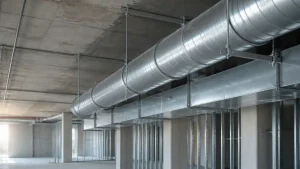
Vibration and noise are another major complaint with spiral duct systems, especially in exposed ceilings where occupants can see and hear the ductwork. Noise issues tend to show up when equipment is upgraded, airflow is increased or support systems were undersized from the beginning.
Common sources include:
High air velocity and turbulence at fittings and transitions.
Fans or blowers directly coupled to ductwork without adequate flexible connections.
Inadequate or rigid supports that transfer vibration into the building structure.
Misaligned duct sections that touch beams, ceiling grids or other mechanical systems.
The audible result can be humming, drumming, rattling or banging sounds, particularly when the system starts or stops.
How to Diagnose Duct Vibration in the Field
Effective vibration troubleshooting combines observation, measurement and a bit of process of elimination.
Start at the equipment
Stand near the air handler or fan and feel for excessive vibration.
Check that the fan is balanced and properly mounted on vibration isolators.
Follow the duct run
Lightly touch the duct at different locations; strong vibration will be obvious.
Note points where the duct contacts other building components.
Inspect hangers and supports
Verify spacing matches design and standards for the duct size.
Look for rigid metal‑to‑metal contact without any resilient or isolation materials.
Correlate noise with operating conditions
Listen at low, medium and high fan speeds.
If noise spikes at high speed, air velocity or turbulence may be the main cause.
Simple notes, photos and even smartphone videos help capture how the duct behaves at different fan speeds, which is useful when planning permanent fixes.
Practical Ways to Reduce Spiral Duct Vibration and Noise
Most vibration issues can be significantly reduced by addressing airflow, equipment isolation and support details.
Optimize airflow and fan speed
If feasible, adjust fan speed or re‑commission the system so that air velocity stays within recommended ranges for the duct size.
In some cases, resizing or rebalancing terminal devices reduces turbulence and noise at the branch connections.
Add flexible connections
Install or replace flexible connectors between the fan discharge and the first section of spiral duct.
Ensure these connectors are correctly sized and not overstretched, so they can absorb movement instead of transmitting it.
Improve supports and isolation
Add or reposition hangers to reduce sagging or long unsupported spans.
Use resilient isolation inserts, rubber grommets or vibration‑damping hangers where ducts connect to the structure.
Eliminate hard contact points
Separate ducts from beams, ceiling grids, cable trays and other metallic components.
If clearance is tight, use isolation pads or sleeves to prevent metal‑to‑metal contact.
Implementing these measures together usually quiets the system, extends equipment life and improves occupant comfort.

Installation Best Practices to Prevent Future Issues
Prevention is always easier than repair, especially on large projects. Good design and installation practices greatly reduce seam failures and vibration over time.
Plan for proper support spacing
Follow manufacturer and industry guidelines for hanger spacing and hardware selection.
Provide extra support near heavy fittings, large transitions and equipment connections.
Use compatible sealants and tapes
Match products to system pressure, temperature and environment (for example, high‑temperature or moisture‑resistant sealants where needed).
Document what materials were used so future repairs can use compatible products.
Commission and test the system
Perform duct leakage testing as part of commissioning for larger projects.
Measure airflow, static pressure and sound levels to confirm the system operates as designed.
Schedule regular inspections
Include visual checks of spiral duct seams, supports and insulation in routine maintenance plans.
Address minor leaks or loose hangers early, before they develop into major issues.
Consistent application of these practices helps keep spiral duct systems tight, quiet and efficient over their full service life.