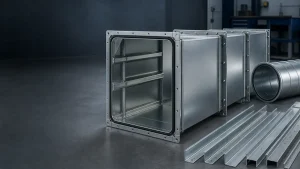

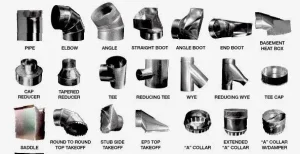
Choosing between spiral duct and rectangular duct systems is one of the most important decisions in HVAC design. Both duct types are widely used in residential and commercial buildings, but they differ in airflow performance, leakage rates, installation complexity, and cost.
Understanding these differences helps you select the right duct system for your specific HVAC project.
For a full overview of spiral duct machine types and fabrication specifications, see our Spiral Duct Machine Complete Guide.
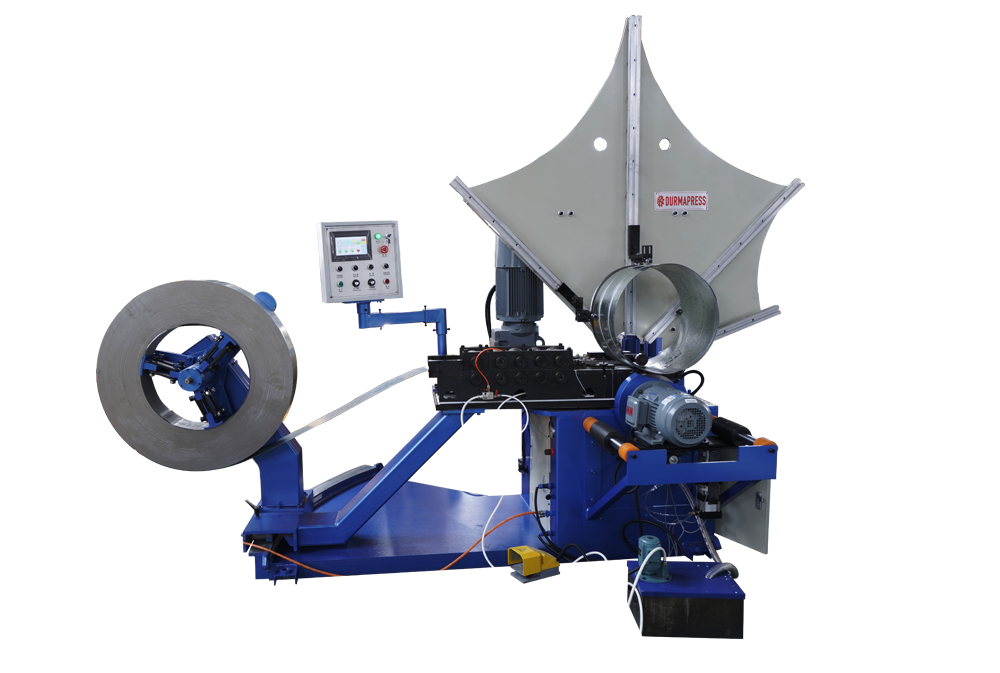
What Is Spiral Duct?
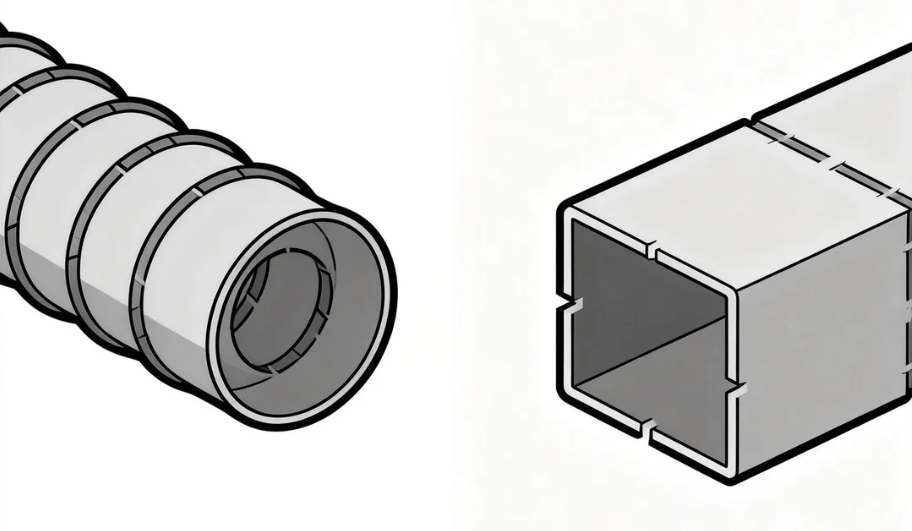
Spiral duct is a round metal duct formed by spirally winding galvanized steel into a circular shape.
Key Features:
Round cross-section
Fewer seams
High structural strength
Common in commercial buildings
Because of its circular design, spiral duct generally offers improved airflow efficiency and reduced pressure loss.
Spiral ducts are often visible in exposed ceiling designs and industrial-style interiors.

What Is Rectangular Duct?
Rectangular duct is fabricated from flat sheet metal panels joined together to form a box shape.
Key Features:
Space-efficient profile
Easy to conceal in ceilings
Common in residential buildings
Flexible sizing options
Rectangular ducts are typically used where ceiling height is limited or where ducts must fit into tight structural spaces.
Airflow Efficiency Comparison
One of the biggest differences in the spiral duct vs rectangular duct debate is airflow performance.
Spiral Duct Airflow
The round shape allows air to flow evenly with less turbulence. This reduces:
Static pressure loss
Energy consumption
Noise levels
Round ducts have a lower surface area-to-volume ratio, which improves efficiency.
Rectangular Duct Airflow
Rectangular ducts create more friction due to corners and larger surface area.
This can lead to:
Higher pressure loss
Increased fan workload
Slightly higher noise levels
However, proper duct sizing and installation can minimize these effects.
Duct Leakage Comparison
Leakage significantly impacts HVAC efficiency.
Spiral Duct
Fewer longitudinal seams
Typically factory-gasketed connections
Lower leakage rates
Rectangular Duct
Multiple joints and corners
More sealing required
Higher potential leakage if improperly installed
Proper sealing is critical. Learn more in our
HVAC duct installation guide.
Installation Differences
Installation complexity also differs.
Spiral Duct Installation
Fewer joints
Faster assembly
Lightweight sections
Requires round fittings
Rectangular Duct Installation
More joint connections
Custom fabrication on site
May require reinforcement for large sizes
Installation standards and proper support spacing are essential for both systems.
Cost Comparison
Cost depends on project size, material, and labor rates.
| Factor | Spiral Duct | Rectangular Duct |
|---|---|---|
| Material Cost | Moderate | Slightly Lower |
| Labor Time | Faster | Slower |
| Leakage Risk | Lower | Higher |
| Airflow Efficiency | Higher | Moderate |
| Space Efficiency | Moderate | Higher |
In many commercial projects, spiral ducts may offer long-term energy savings despite similar upfront costs.
Aesthetic Considerations
Spiral duct is often chosen for exposed ceiling applications due to its modern, industrial appearance.
Rectangular ducts are typically concealed above ceilings, making aesthetics less relevant.
When to Choose Spiral Duct
Spiral duct is ideal when:
Airflow efficiency is a priority
Long duct runs are required
The ceiling is exposed
Lower leakage is desired
It is commonly used in commercial offices, retail stores, and warehouses.
When to Choose Rectangular Duct
Rectangular duct is suitable when:
Ceiling space is limited
The system must fit tight structural areas
Budget is highly constrained
Ducts will be concealed
Residential HVAC systems frequently use rectangular ducts.
Residential vs Commercial Applications
| Application | Preferred Duct Type |
|---|---|
| Residential Homes | Rectangular |
| Commercial Offices | Spiral |
| Industrial Buildings | Spiral |
| Tight Ceiling Spaces | Rectangular |
Both duct types are essential components of an efficient HVAC air distribution system.
Conclusion
The choice between spiral duct and rectangular duct depends on airflow efficiency requirements, space limitations, installation complexity, and budget considerations.
Spiral ducts generally provide better airflow performance and lower leakage, while rectangular ducts offer flexibility in tight spaces.
For optimal performance, proper duct sizing, sealing, and installation standards must be followed regardless of duct type.
Selecting the right duct system ensures improved energy efficiency, balanced airflow, and long-term HVAC reliability.
FAQ
1. Is spiral duct more efficient than rectangular duct?
Yes, spiral duct typically offers better airflow efficiency due to its round shape and lower resistance.
2. Which duct type has less leakage?
Spiral duct generally has fewer seams and lower leakage rates compared to rectangular duct.
3. Is spiral duct more expensive?
Material costs are comparable, but labor time is often shorter for spiral duct installation.
4. Can rectangular duct be as efficient as spiral duct?
Yes, with proper sizing, sealing, and installation, rectangular duct systems can perform effectively.