1. Introduction
In modern HVAC systems, spiral ducts have become the preferred choice for ventilation and air distribution in commercial buildings, industrial facilities, airports, and subway systems. Behind every precisely formed spiral duct is a reliable spiral duct machine — the core equipment that makes efficient, large-scale duct production possible.
This guide breaks down what a spiral duct machine is, the key machines included in the spiral duct forming machine category, and how to choose the right equipment for your needs.

2.What Is a Spiral Duct Machine?
A spiral duct machine, also known as a spiral duct forming machine or spiral ducting machine, is specialized equipment designed to continuously roll metal strips — such as galvanized steel, stainless steel, and aluminum — into spiral-shaped circular ducts. The spiral seam structure gives the duct superior strength and airtightness compared to traditional straight-seam ducts.
These machines are widely used across industries that rely on airflow management:
- HVAC systems in commercial buildings, factories, subways, and airports
- Dust collection and purification systems in industrial workshops
- Light material conveying pipelines for grains and granules
3.Spiral Duct Machine Types
Spiral duct machines are available in several configurations depending on production capacity, automation level, material compatibility, and duct forming requirements. From small workshop equipment to fully automated HVAC production systems, each machine type offers different advantages in speed, labor efficiency, precision, and investment cost.
Understanding the differences between these spiral duct machine types helps HVAC manufacturers choose the right solution for their production environment.
3.1 Manual Spiral Duct Machines
Manual spiral duct machines rely heavily on operator control throughout the production process. Material feeding, diameter adjustment, and cutting operations are performed manually, making these machines simple in structure and relatively affordable.
They are commonly used in small HVAC workshops, repair applications, and low-volume custom fabrication where production speed is not the primary concern.
Because the operator controls most forming operations, final duct consistency depends largely on individual experience and skill level. However, manual machines remain a practical option for businesses with limited budgets or occasional duct production requirements.
Typical characteristics include:
- Low initial investment cost
- Manual feeding and cutting operations
- Suitable for custom or small-batch production
- Compatible with galvanized steel, stainless steel, and aluminum
- Minimal electrical or automation components
3.2 Semi-Automatic Spiral Duct Machines
Semi-automatic spiral duct machines combine manual setup with powered production functions. Operators still load the material coil and configure duct dimensions, but forming speed, seam locking, and cutting operations are partially automated.
Many semi-automatic systems include automatic length measurement, pneumatic cutting, or hydraulic cutting systems to improve production efficiency while maintaining operational flexibility.
Compared with manual equipment, semi-automatic machines significantly reduce labor intensity and improve production consistency. They are widely used by medium-sized HVAC manufacturers and duct fabrication contractors handling regular production volumes.
Key advantages include:
- Higher efficiency than manual machines
- Improved cutting consistency
- Reduced operator workload
- Better suitability for medium-volume production
- Flexible for different duct sizes and material types
3.3 Fully Automatic Spiral Duct Machines
Fully automatic spiral duct machines are designed for continuous industrial-scale HVAC duct production. These systems automate nearly every stage of the manufacturing process, including coil feeding, helical forming, lockseaming, diameter control, and cutting.
Modern automatic machines use CNC control systems and servo-driven technology to maintain stable forming accuracy at high production speeds. Operators can program duct diameter, material thickness, and cutting length directly through a touchscreen control interface.
Because of their high efficiency and repeatable accuracy, fully automatic spiral duct machines are widely used in large HVAC factories and commercial duct manufacturing facilities.
Their primary benefits include:
- High-speed continuous production
- Consistent duct dimensions and seam quality
- Reduced material waste
- Lower long-term labor costs
- Minimal operator intervention
- Excellent suitability for large-volume HVAC projects
Although the initial investment cost is higher, automatic systems offer significant long-term advantages in productivity and manufacturing consistency.
3.4 Custom Spiral Duct Machines
Some HVAC applications require custom-engineered spiral duct machines designed for specialized production conditions. These machines may include modified forming heads, reinforced drive systems, extended diameter ranges, or customized seam structures.
Custom configurations are often used for:
- Large-diameter industrial ventilation ducts
- Double-wall duct production
- Insulated duct systems
- Stainless steel heavy-duty applications
- Cleanroom ventilation systems
- Integrated automated factory lines
Manufacturers can also customize control systems and automation interfaces to match existing production workflows or smart factory environments.
While custom spiral duct machines involve higher engineering and manufacturing costs, they provide optimized performance for specialized HVAC production requirements where standard machines may not be sufficient.
4.How to Choose the Right Spiral Duct Machine?
With multiple machines available on the market, selecting the right spiral duct machine for sale requires evaluating your specific production needs. Here are the key factors to consider:
1. Duct diameter range
Confirm the diameter specifications your projects require. Make sure the machine’s adjustable range covers your most common duct sizes.
2. Material compatibility
Different projects may require galvanized steel, stainless steel, or aluminum. Choose a machine that supports the materials you work with most.
3. Control system quality
A reliable control system directly impacts production stability and precision. Look for machines equipped with internationally recognized components such as Siemens, Schneider, or OMRON.
4. After-sales support
Overseas buyers should pay close attention to after-sales capabilities — including on-site engineer support, response time, and spare parts availability.
5.Why Choose DURMA HVAC?
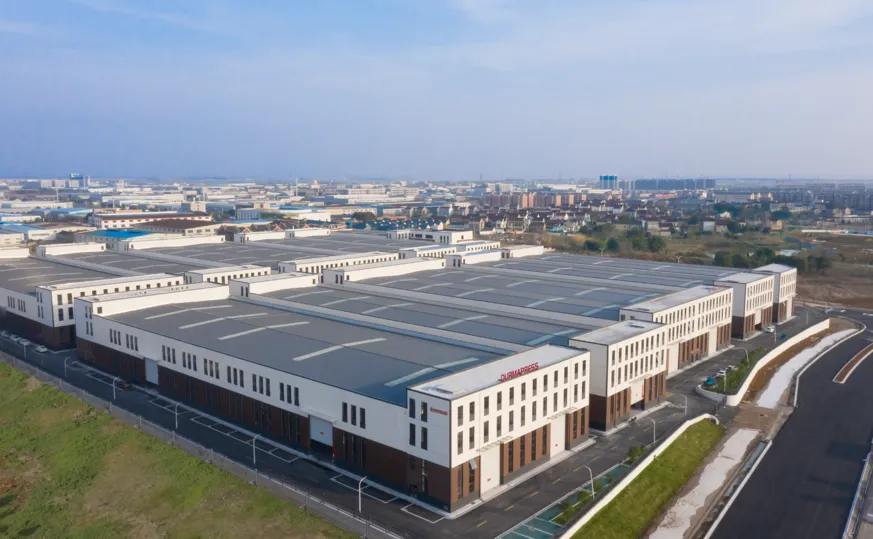
As a professional HVAC duct machine manufacturer, DURMA HVAC offers a complete spiral duct forming machine series backed by genuine industry expertise. Whether you need a single machine or a full production line solution, our team provides tailored recommendations based on your specific project requirements.
✅ Professional manufacturer with years of HVAC machinery experience
✅ Engineer overseas service available
✅ 24-hour after-sales response, 7 days a week.
✅ On-site technical support provided by our engineers
Ready to find the right spiral duct machine for your project? Contact us today for a free consultation.