1. What Is CFM in HVAC?
CFM stands for cubic feet per minute — the standard unit used in the HVAC industry to measure the volume of air moving through a system in one minute. It tells you how much air a fan, blower, or air handler can circulate through ductwork and into your living spaces within a given time frame.
The V in HVAC stands for ventilation — and CFM is the number that determines whether that ventilation is actually working. Too little airflow leaves rooms stuffy and temperatures uneven; too much causes short cycling, noise, and unnecessary wear on system components.
2.Why Is CFM Important for HVAC Systems?
CFM is the foundation of HVAC system design. It directly determines whether conditioned air reaches every room at the right volume and at the right time.
Balanced comfort :Correct CFM prevents hot and cold spots by distributing air evenly across all zones.
Energy efficiency:When airflow matches the system’s rated capacity, the equipment doesn’t overwork. Under- or over-delivering air forces the system to run longer cycles, driving up energy costs.
System longevity:Sustained airflow imbalances put unnecessary mechanical stress on blower motors, compressors, and heat exchangers — shortening equipment life.
Indoor air quality (IAQ) :Adequate CFM keeps air circulating, which supports effective filtration and removes airborne contaminants — allergens, VOCs, excess moisture — before they accumulate.
3. How to Calculate CFM
The standard formula used by HVAC professionals is:
CFM = (Room Volume × ACH) ÷ 60
Where:
- Room Volume = Length × Width × Ceiling Height (in feet)
- ACH = Air Changes per Hour (target air exchange rate for the space)
- ÷ 60 converts hourly airflow to per-minute
Calculation example:
Bathroom:8 ft × 10 ft × 8 ft ceiling = 640 cu ft. Target ACH = 8.
CFM = (640 × 8) ÷ 60 ≈ 85 CFM
Kitchen:A 200 sq ft kitchen with 9 ft ceiling = 1,800 cu ft. Target ACH = 15.
CFM = (1,800 × 15) ÷ 60 = 450 CFM
Whole home:A 2,400 sq ft single-story home with 9 ft ceilings = 21,600 cu ft. Using ASHRAE’s baseline of 0.35 ACH:
CFM = (21,600 × 0.35) ÷ 60 ≈ 126 CFM
For full system sizing, HVAC technicians use Manual J load calculations that also account for insulation quality, window type, occupant count, sun exposure, and local climate — not just square footage.

4. CFM vs ACH: Understanding the Relationship
CFM and ACH are two sides of the same coin. ACH tells you how often the air in a room should be replaced; CFM tells you how fast the equipment needs to move air to hit that target.
ASHRAE Standard 62.2-2022 recommends residential buildings maintain at least 0.35 air changes per hour, with a minimum of 15 CFM per person, to ensure adequate ventilation and acceptable indoor air quality.
The recommended ACH by room type:
| Room Type | Recommended ACH |
|---|---|
| Kitchen | 7–8 |
| Bathrooms | 6–7 |
| Laundry rooms | 8–9 |
| Living areas | 6–8 |
| Bedrooms | 5–6 |
| Basements | 3–4 |
The higher the ACH requirement, the higher the CFM the system needs to deliver — which is why kitchens and laundry rooms need more powerful ventilation than bedrooms.
5. CFM and HVAC System Sizing
CFM is a direct input into HVAC system sizing. A typical central air conditioner or heat pump delivers approximately 400 CFM per ton of cooling capacity. This gives a straightforward baseline for matching equipment to a home’s airflow needs.
Sizing example:If your home requires 1,200 CFM total airflow, you need a 3-ton HVAC system (1,200 ÷ 400 = 3).
Oversized systems short-cycle — they cool the air quickly but shut off before humidity is properly controlled, leaving the space feeling clammy. Undersized systems run continuously without reaching setpoint, driving up energy bills and accelerating wear.
This is why any new HVAC installation or replacement should include a Manual J calculation — not just a rule-of-thumb estimate based on square footage alone.
6. CFM and Duct Size Relationship
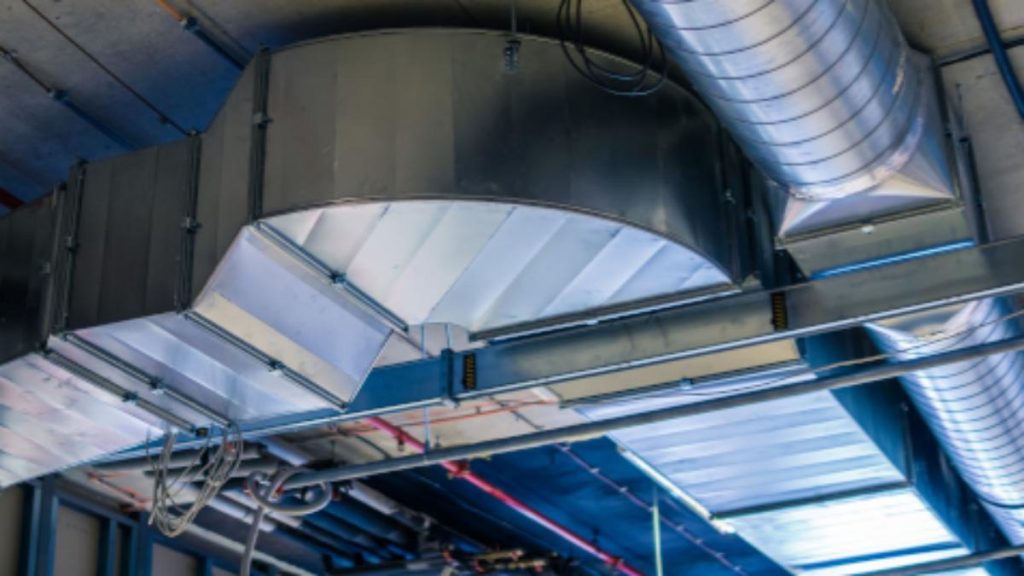
Ductwork must be sized to handle the required CFM without creating excessive air velocity or static pressure. If ducts are too small for the CFM they’re carrying, air velocity increases — causing noise, pressure imbalances, and reduced system efficiency.
The general rule of thumb:
| Duct Diameter | Approximate CFM Capacity |
|---|---|
| 4 inch | ~50 CFM |
| 6 inch | ~100 CFM |
| 8 inch | ~180 CFM |
| 10 inch | ~280 CFM |
| 12 inch | ~400 CFM |
Note: Actual values vary based on duct length, fittings, and static pressure design. Always reference ACCA Manual D for duct sizing.
In new installations, HVAC contractors use a ductwork CFM chart to properly size supply and return ducts. When adding zones or replacing sections, the same chart applies to verify the existing duct system can handle the modified airflow.
7. Common Causes of Poor Airflow and Low CFM
Even a correctly sized HVAC system can deliver inadequate CFM if installation or maintenance issues restrict airflow. The most common culprits:
7.1 Clogged air filters
A dirty filter is the single most common cause of restricted airflow. Filters should typically be replaced every 30–90 days depending on usage and air quality.
7.2 Leaking ductwork
Air that escapes through duct leaks never reaches the intended supply registers. Studies suggest leaky ducts can reduce delivered CFM by 20–30%.
7.3 Blocked or closed vents
Furniture placed over return air vents or manually closed supply registers creates pressure imbalances throughout the system.
7.4 Obstructed outdoor unit
Debris, vegetation, or insufficient clearance around the condenser restricts airflow across the coil, reducing the system’s overall efficiency.
7.5 Dirty evaporator or condenser coils
Coil fouling reduces heat transfer efficiency and can restrict airflow through the coil assembly.
7.6 Undersized or improperly designed ductwork
Ducts that are too small, too long, or have too many bends create static pressure that the blower motor has to fight against.
Common symptoms to watch for:
- Hot and cold spots in different rooms
- Weak airflow at supply registers
- Rooms that never reach setpoint temperature
- Unusually high energy bills
- Excessive humidity indoors
8.How to Improve HVAC Airflow Efficiency
Improving CFM delivery doesn’t always require replacing equipment. Several maintenance and design steps can restore or optimize airflow:
8.1 Replace air filters regularly
This is the lowest-cost, highest-impact maintenance task for airflow. A clean filter allows rated CFM to flow freely.
8.2 Seal duct leaks
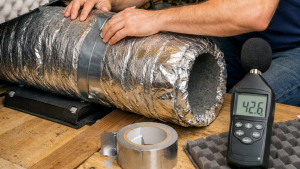
Professional duct sealing — using mastic or foil tape on accessible joints — can recover significant lost CFM and improve system efficiency.
8.3 Keep vents and registers unobstructed
Ensure furniture, rugs, and curtains don’t block supply or return air vents. Don’t close vents in unused rooms — this raises static pressure and can harm the system.
8.4 Schedule annual HVAC maintenance
Professional inspection includes coil cleaning, blower motor inspection, refrigerant check, and airflow measurement at registers — all of which directly affect delivered CFM.
8.5 Upgrade to a correctly sized system
If your current system was improperly sized to begin with, no amount of maintenance will fix the CFM mismatch. A Manual J calculation with your HVAC contractor will determine the right equipment size.
8.6 Consider duct redesign for major renovations
If you’re adding rooms or reconfiguring your home, the existing duct layout may no longer support balanced CFM delivery. Consult a contractor who references ACCA Manual D for duct sizing.